
Frame
One pin fills the camera. Crop it tight, dodge the glare, and the scanner takes it from there.
Built for Disney pin trading
Point your iPhone at any Disney trading pin. PinWorth pulls the catalog dossier, weighs the condition, checks recent sales, and hands you a number you can actually trade on.
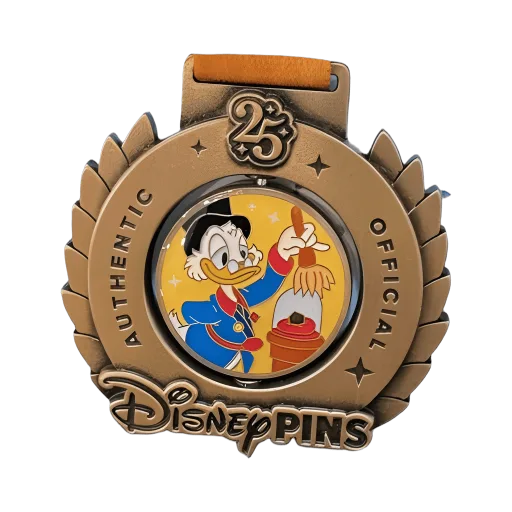
Scrooge McDuck Medallion
One pin fills the camera. Crop it tight, dodge the glare, and the scanner takes it from there.
The catalog answers with the paperwork: origin, series, edition size, release date, FAC, and SKU.
An AI appraisal folds the visible condition into recent market evidence and hands back a defensible value range.
File the pin to a board, watch it roll into your portfolio total, or flag the ones you are still hunting.
A pin you can name is nice. A pin with its papers, its market, and its place on your shelf is a position.
A scan is more than a name. PinWorth attaches the full catalog record so you can argue the details, not guess them.
The value range is built from things you can inspect: matched listings, recent sales, and the trend behind them.
Boards by park, series, or character. A wishlist for the hunt. A portfolio total that updates as you scan.
What the appraisal weighs
A lanyard swap takes ten seconds and nobody writes a receipt. Scan both pins and you stop trading on instinct. You'll see the edition, the condition, and what each one has been selling for.
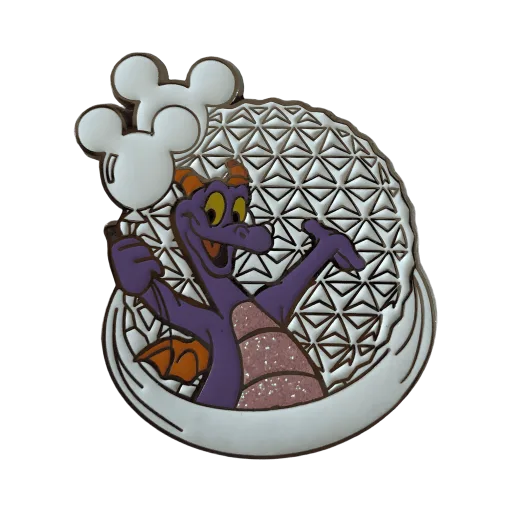
Figment at the Sphere

Orange Bird Cloisonné
An uneven trade isn't a bad trade. If that pin is the grail you've chased for three trips, overpay on purpose. Just know that you are.


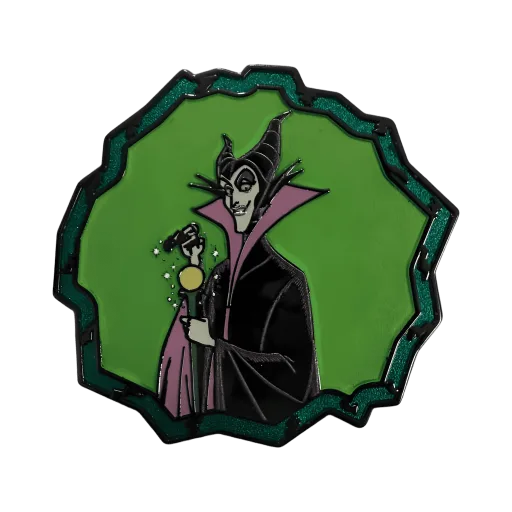
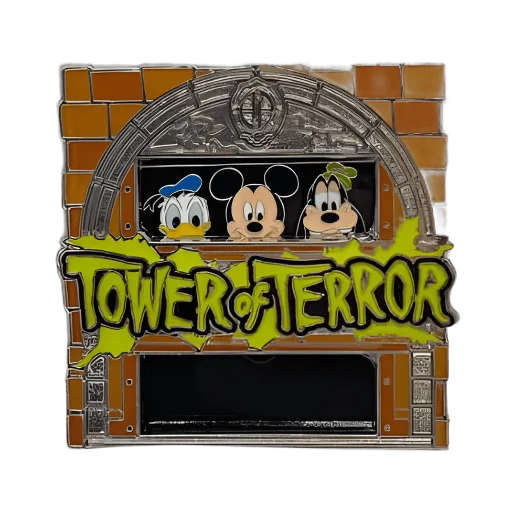
Each appraisal blends three things: the catalog record for the matched pin, the condition visible in your photo, and recent market evidence such as matched listings and sales. The result is a range with a confidence note — a well-informed starting point for a trade, not a guaranteed sale price.
Edition size, condition, and what comparable pins have sold for lately. Those three decide it. A limited edition in near-mint shape usually beats an open edition with post marks, whatever the artwork. PinWorth scans both sides and returns a value range for each, so a lopsided swap shows up before anyone unclips a lanyard.
Cast members with pin lanyards trade metal Disney pins one for one, up to two pins each by the long-standing guideline. Your pin has to be a real Disney pin in reasonable condition. No damage, no non-Disney artwork. Guest-to-guest trading has no official limit at all. Both sides just have to agree.
It gives you the real one to hold it up to. A scan returns the matched pin's catalog record: edition size, release year, and the markings a genuine example carries. The last word on a scrapper is physical and you make it on the back of the pin. PinWorth makes sure you know what you're checking for.
One pin per photo, even light, no glare, and the whole pin inside the frame. If the backstamp, FAC code, or edition text is readable in the shot, the match and the appraisal both get more precise.
No — you can scan right away. Signing in with Apple or Google keeps your boards, wishlist, and portfolio backed up so they follow you to a new device.
Free scans get you started. PinWorth Premium adds unlimited scanning, full market evidence, and collection tracking. The subscription bills through your Apple Account, renews automatically unless cancelled at least 24 hours before the period ends, and can be managed in iOS Settings.
No. PinWorth is an independent tool for hobbyists. It is not connected to, sponsored by, or endorsed by The Walt Disney Company, and pin artwork belongs to its respective rights holders.
“Hey Siri, scan a pin in PinWorth”